
Hebruxismesclenching or grinding teethcausing tooth wear. It is done unconsciously at night or during the day. It occurs when the upper teeth are clenched tightly with the lower teeth and they also move from back to front and vice versa. Bruxism is an involuntary habit that can be very harmful to our teeth and our chewing system in general, affecting muscles and joints.
There are several types of bruxism: mild, moderate and severe, as well as daytime and nighttime.
Classification of bruxism according to moment, intensity and movement:
- Daytime bruxism:Also called effort. It generally takes the action or form of pressure. It affects the masseter and temporalis muscles.
- nocturnal bruxism: Occurs during sleep. This generally takes the form of grinding, involving the masseter, temporalis, lateral and medial pterygoid muscles. We also find cases in which bruxism occurs during the day and at night at the same time.
This act can appear and disappear at any time in life. We can classify, according to its aggressiveness and establishment in the patient, three degrees of intensity or habit of bruxism. These are:
- LIVE:Incipient habit. The presentation is not aggressive. Its reproduction is for a short period of time and sometimes occasionally. Although it may be unconscious to the person, it is reversible since it appears and disappears on its own. It may not be related to anxiety.
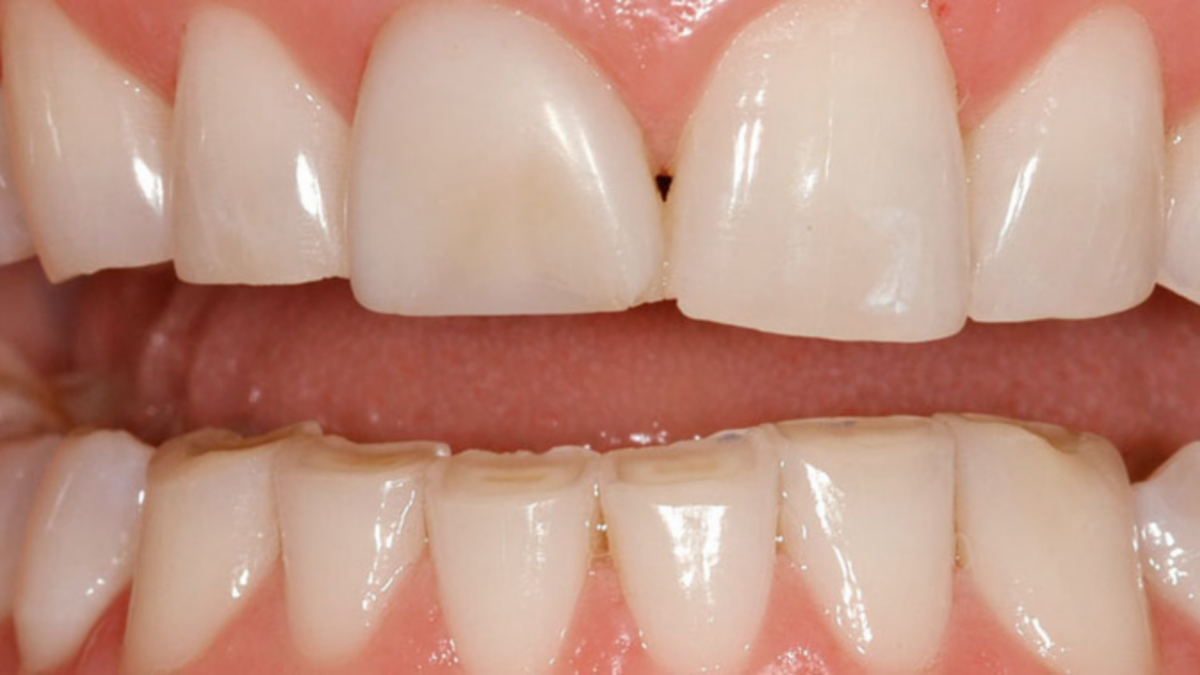
- MODERATE:Established habit. At this level, anxiety is already present. The presentation is unconscious for the person and disappears when the person becomes conscious. At this stage we can find lesions in the dentofacial structures, so comprehensive clinical treatment is required to ensure their elimination. The Grade II habit can be reversible, if not treated it can develop into a Grade III habit.
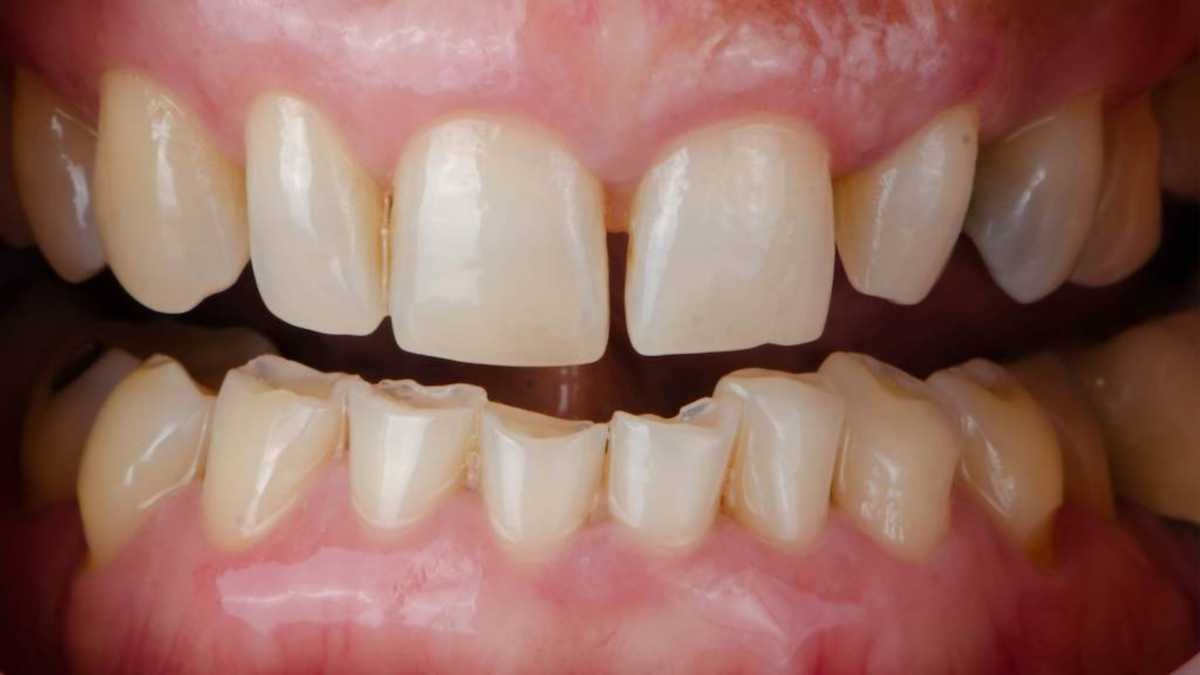
- SEVERE:Powerful habit. The habit of clenching and/or grinding the teeth is constant, consciously and unconsciously by the person. The injuries to the dentofacial structures are of considerable magnitude and in some cases the injuries are permanent.
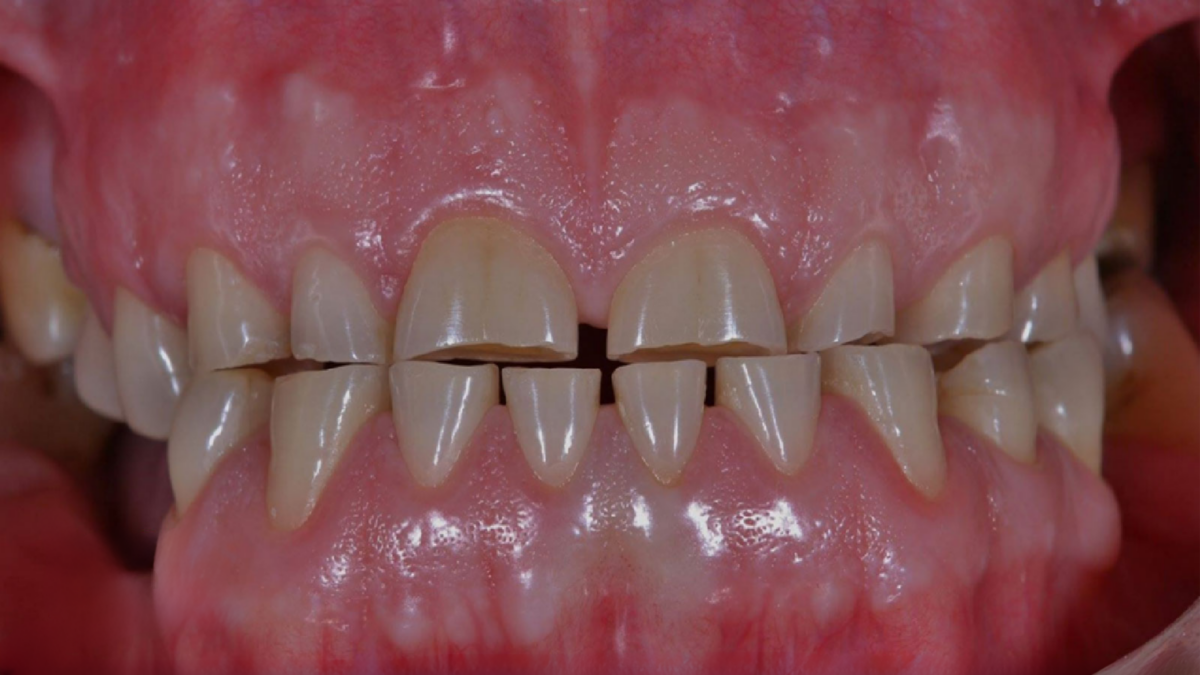
“This type of pathology destroys your teeth”
SIGNS AND SYMPTOMS
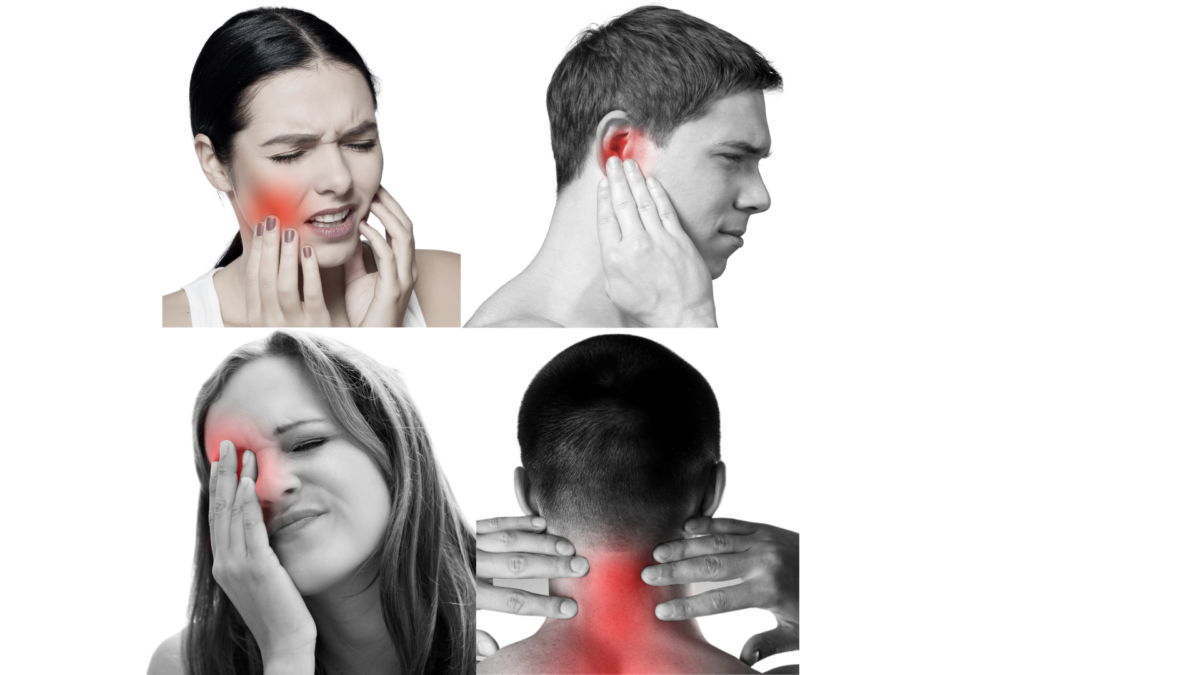
One of the main problems with bruxism is that the teeth can put excessive pressure on the muscles, tissues and structures surrounding the jaw. In fact, if it continues over time it can cause problems in the temporomandibular joint.
Bruxism can cause:
·Jaw pain, ear pain, and pain and pressure under the eyes
·Temporomandibular joint problems
·Headache
·Anxiety
·Stress
·Tooth sensitivity to cold, heat and sweet foods
·Insomnia
“Bruxism is an involuntary and unconscious process, we do not realize it”
Las causes of bruxism They are not sufficiently known, although it is considered that the most important triggering factor is stress, although there are others that can contribute to its appearance:
·Improper alignment of teeth.
· Occlusion interference due to the eruption of a wisdom tooth, a fresh filling and incorrect orthodontics
·The food.
·The posture.
·Sleep habits, etc.
HOW IS BRUXISM TREATED?
The appropriate treatment for bruxism will depend on knowing what is causing the problem. With precise questions and a dental examination, your dentist will determine the potential cause of bruxism and, depending on the dental damage and the cause, may suggest different options:
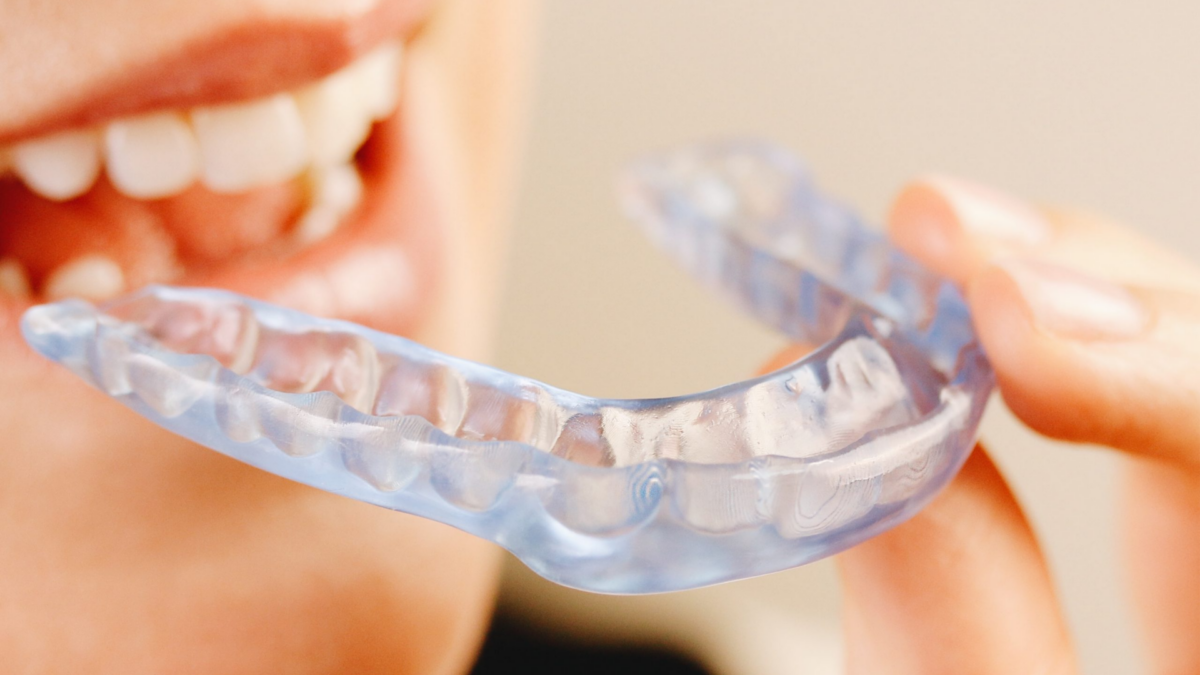
– Usea hard or soft dental relief splintwhile you sleep, which is made with an exact fit in your mouth. Although splinting is an excellent way to treat bruxism, it does not solve the problem.
–Prosthetic rehabilitation.